blue beech tree facts
Blue beech because of its very smooth gray bark and musclewood referring to its muscle-like branches which are irregularly fluted. It is an understory tree that rarely grows much higher than 20 feet in the wild and often grows in clumps of several trunks.

American Hornbeam Natural Resource Stewardship
Prefers rich well-drained soils.

. Due to its resemblance to beech trees the tree also goes by the name blue beech. It is also a frequent specimen in bonsai gardening. The smooth gray trunk and larger branches of a mature tree exhibit a distinctive muscle-like fluting that has given rise to another common name of musclewood for this tree.
American hornbeam belongs to the Betulaceae birch family and is known by several names including blue beech muscular beech water beech muscletree musclewood and ironwood. The Fagus subgenus has one sturdy trunk that sports grayish bark. It is found in north-facing bluffs rich woods at bases of bluffs rocky slopes along streams ravine bottoms low wooded valleys and moist woodlands.
It grows very tall and has a smooth grey-blue bark. It is a small tree 20 to 40 feet tall with a trunk diameter of up to two feet. The American hornbeam has bluish-gray bark.
The foliage transforms throughout the season offering a kaleidoscope of color. While distributed throughout much of Minnesotas eastern deciduous forests Blue Beech is by no means frequently encountered or perhaps more so not readily recognized. Published on Jan 11 2022.
Can tolerate full shade and full sun with ample moisture. It features a spreading canopy capable of blocking sunlight and adds visual interest and beauty to landscaping. This tree is considered both a shade tree and an ornamental tree.
European beech is best grown in USDA Hardiness Zones 5 through 7. It can be found in the eastern parts of the USA. It is native to eastern North America from Minnesota and southern Ontario east to Maine and south to eastern Texas and northern Florida.
20 to 25 feet wide and 20 to 35 feet tall. The Blue Beech does well in shady moist areas and can make up a large part of the understory in some forests partially due to the unpalatable. The leaves are elliptical in shape and have doubly serrated margins.
The veins in the leaves are straight and nearly parallel. When the spring arrives you will notice the buds on the beech trees opening out into deep emerald-green leaves. A understory species of moist lowland forests it is a small-statured tree whose crown is easily lost in the lower canopy and its tendency for multiple stems even small colonies from root suckers can give it a shrub.
A slow growing small to medium-sized forest tree to 30 feet tall and a trunk 4 to 8 in diameter with a broad dense flat-topped crown and a smooth blue-gray fluted trunk that gives it a muscular appearance. New leaves emerge reddish-purple transforming to dark green and then turn striking shades of yellow orange and red in fall. Also known as Buna or Siebolds beech this tree has a widely variable growth rate and has been known to exceed 200 feet.
The extremely hard wood of this tree will as the common name suggests take a horn-like polish and was once used by early Americans to make bowls tool handles and ox yokes. Blue Beech is a beautiful ornamental tree with enticing features. Once all the foliage has dropped grooved blue-grey bark becomes striking on a winter landscape.
American hornbeam grows on well-drained fertile acidic soil in areas that provide enough sun such as deciduous forests and areas near the streams. Blue beech is widespread throughout Illinois in. Commercial use of hornbeam wood is not practicable however due to the limited amount of wood per tree.
The beech tree will grow to be a large tree however the growth is slow. Typically grows 20-35 tall. American hornbeam also known as musclewood or blue beech is a small slow-growing understory tree native to hardwood forests of the eastern US and Canada.
Hornbeam Carpinus caroliniana is an attractive small tree that is common but not abundant in its natural range. The beech tree is deciduous tree that is native to Asia North America and parts of Europe. In the landscape this beech casts very dense shade that can make it.
Blue Beech also commonly known as American Hornbeam is a very small tree but the extremely dense and hardy wood is so strong and difficult to crack that early pioneers used it to make bowls and plates. The blue beech also known as musclewood and American hornbeam is a small shrubby tree with one or more trunks. Fact checked by Kidadl Team.
It has many common names the most common include. American hornbeam is also known as blue-beech ironwood musclewood and muscle beech. Part shade to full shade.
Magnificent as solitary specimen trees beeches Fagus spp are large deciduous plants admired for their shape and foliage. It also has the name water beech because it often grows next to rivers and streams. Grows on moist rocky wooded slopes.
Other common names for the tree include musclewood or ironwood due to the strength of its wood. They can grow 80 feet in height and their branches can be over 40 feet long in span. Prefers moist and can tolerate seasonal flooding.
Blue Beech - Carpinus caroliniana. Carpinus caroliniana the American hornbeam is a small hardwood tree in the genus Carpinus. The crown is rounded and the trunk is often short and crooked.
This tree has distinct flares on the trunk and branches that resemble muscle definition. American hornbeam blue beech musclewood ironwood water beech. Blue beech is also referred to as American hornbeam or musclewood.
The connection to muscle refers to the trees distinctive fluted trunk and branches which resemble muscular tissue. American hornbeam also known as blue beech is a broadleaf tree that belongs to the birch family. Up to 8 m tall.
When it comes to variety the European beech Fagus sylvatica comprises many forms and selections of heightened beauty and ornamental value for gardens. Blue-beech blue beech musclewood Leaf Type. The tree is perhaps best known for its smooth and sinewy steel-gray bark and the muscle-like look of its maturing trunk and larger branches thus one of its common names.
Flowers appear in spring in separate male and female catkins with the female catkins giving way to distinctive clusters of winged nutlets. The bark is bluish-gray thin fairly smooth and heavily fluted.

Need A Tree For A Shady Space Think Blue Beech Clc Tree Services
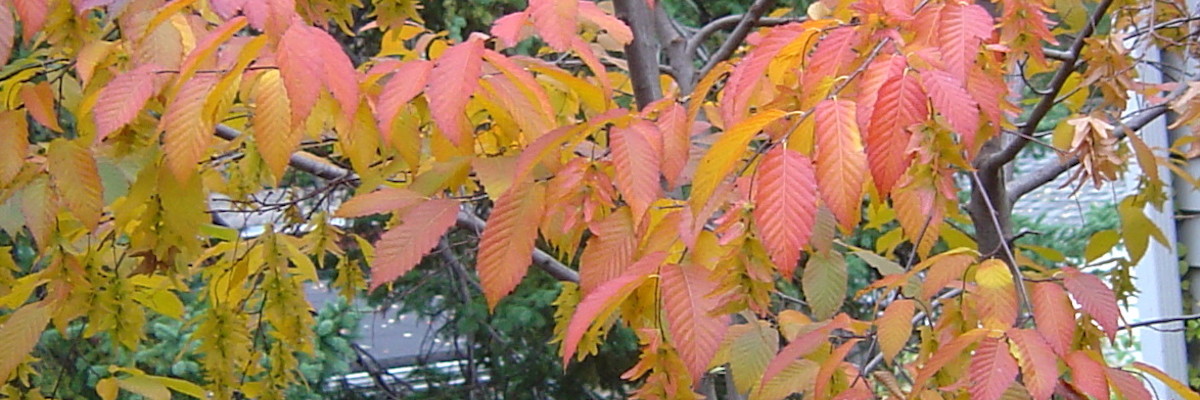
Blue Beech Campus Trees
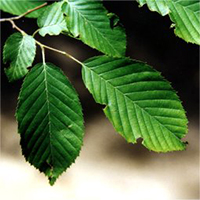
Blue Beech Ontario Ca

Carpinus Caroliniana Blue Beech Minnesota Wildflowers

Carpinus Caroliniana Blue Beech Minnesota Wildflowers

Carpinus Caroliniana Blue Beech Minnesota Wildflowers
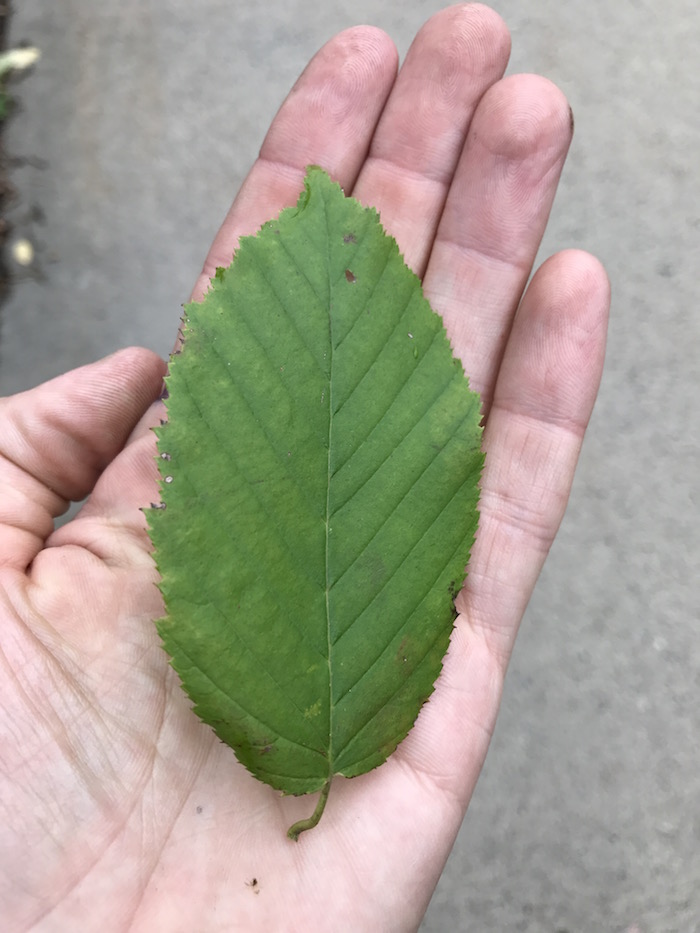
Blue Beech Campus Trees

I Spy Something That Is Blue Leaf Local Enhancement Appreciation Of Forests
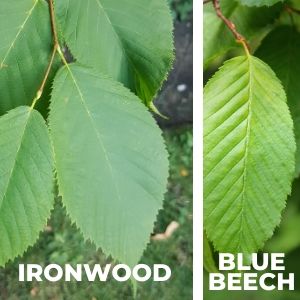
Ironwood The Inconspicuous Tree Leaf Local Enhancement Appreciation Of Forests
